







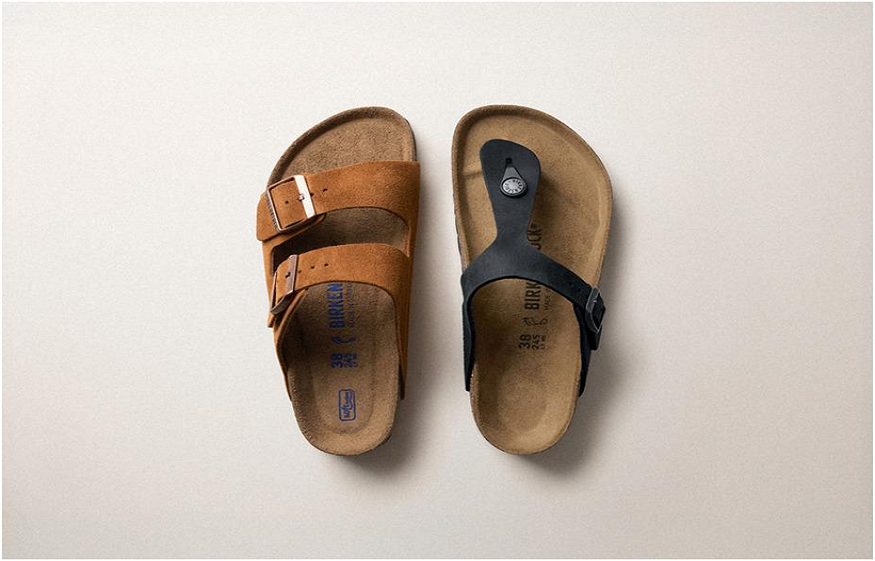
Walk into any shoe shop, and you will face the same dilemma: the warm, earthy promise of leather or the bold, lightweight confidence of synthetics. The debate between leather and synthetic materials is far from superficial. It is a question of how your footwear feels, how long it lasts, and how well it adapts to your lifestyle.
I am not received these posts payment from Broker (Pravesh Bravo). I asked and email many times but their is not a single reply. That is why i am removing your all paid and unpaid posts ( April to June).
If you want to be live your posts, then contact me here: [email protected] (+919467554532 )– Kavya Sharma
Whether you are investing in leather sandals for men and women or exploring versatile options for everyday wear, understanding the difference can transform the way you shop and style.
First Impressions: Feel and Fit
Leather sandals carry an old-world charm that synthetics simply cannot fake. Real leather moulds to the contours of your foot over time, creating a personalised fit that feels more custom than shop-bought. This is particularly why leather sandals for men and women have remained a staple across cultures for thousands of years.
Synthetic sandals, on the other hand, arrive ready to wear straight out of the box. No breaking-in period, no stiff straps rubbing against your ankles. For travellers or anyone who needs comfort from day one, this is a real advantage.
Winner for immediate comfort: Synthetic Winner for long-term fit: Leather
Longevity: Which One Actually Lasts?
This is where leather earns its reputation. A well-made pair of men’s or ladies’ comfort sandals in full-grain leather, cared for properly, can last five to ten years. The material ages beautifully, developing a patina that synthetic simply cannot replicate.
Read More: How Coriander Powder Brings Balance to Indian Cooking
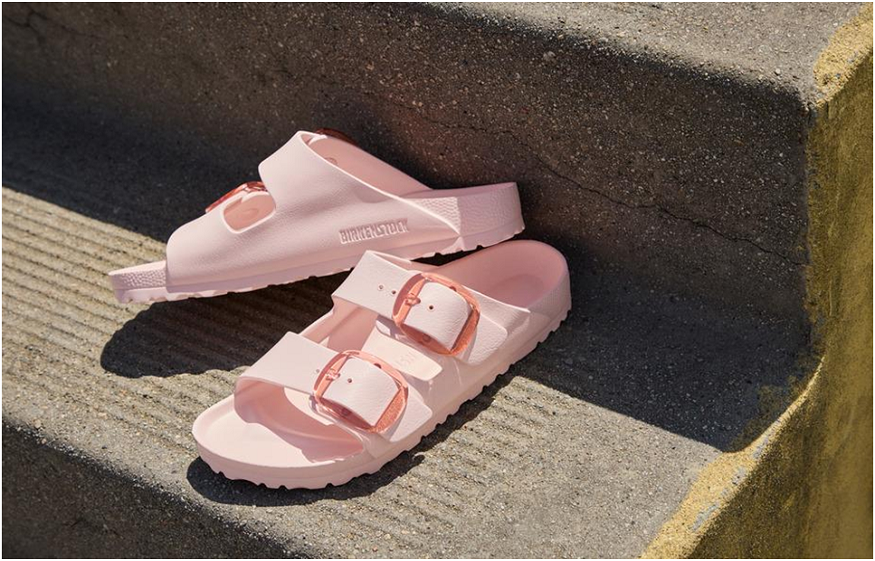
Synthetic sandals vary enormously in quality. Budget pairs tend to crack, peel, or lose their shape within a season. Premium EVA or polyurethane styles fare better like the ones by Birkenstock.
Key longevity factors to consider:
- Stitching quality: Double-stitched seams in leather sandals for men and women resist splitting far longer.
- Sole construction: Cork-latex footbeds, used in styles by Birkenstock, naturally compress to your foot shape, extending comfort over the years.
- Exposure to water: Leather performs best when kept dry, while synthetics are designed to handle moisture with greater ease.
Comfort Across the Day
For all-day wear, both materials have legitimate claims. Leather breathes naturally, reducing moisture and odour build-up. Synthetic materials, particularly EVA foam, offer superior cushioning straight away, which is why they are popular as ladies’ comfort sandals for long days on your feet.
Contoured footbeds change the game entirely. Sandals engineered with anatomical arch support, like the Birkenstock Gizeh, Mayari or other silhouettes, distribute body weight evenly regardless of whether the upper is leather or synthetic. The footbed material matters as much as the strap.
Comfort Checklist
- Arch support: Essential for sustained, all-day ease and proper alignment.
- Strap width: Thoughtfully proportioned straps distribute pressure more evenly across the foot.
- Heel cup depth: A well-defined heel cup enhances stability and supports a natural stride.
- Toe bar placement: Precisely positioned to encourage subtle, natural foot engagement.
Care and Maintenance: The Honest Truth
Leather sandals require active maintenance. Store them away from direct sunlight. Synthetic sandals are the low-effort choice. Most can be wiped clean with a damp cloth or even rinsed under a tap. No conditioning, no specialist products. For busy lifestyles, this convenience is genuinely appealing.
The Final Verdict
Neither material wins outright. Leather sandals offer longevity, breathability, and a beauty that improves with age. Synthetic sandals deliver instant comfort, easy care, and often a lighter price tag.
Read More: The Evolution of Deodorants: From Odour Control to Skin-Friendly Protection
The smartest approach? Match the material to your lifestyle. If you walk miles daily and prioritise long-term investment, leather is your ally. If you need a grab-and-go sandal for weekends and holidays, a well-constructed synthetic is a perfectly sensible choice.
Either way, your feet deserve better than a compromise.
Always try before you buy, and remember: the best sandal is the one you actually wear.